
Essential Tips to Winterize Your Plumbing for Cold Weather
- Dec 2, 2025
- 2 min read
Winter brings cold temperatures that can cause serious damage to your plumbing system if you are not prepared. Frozen pipes can burst, leading to costly repairs and water damage. Taking steps to protect your plumbing before the cold sets in can save you time, money, and stress. This guide offers practical advice on how to prepare your plumbing for winter and keep your home safe and warm.

Inspect and Insulate Exposed Pipes
Pipes located in unheated areas such as basements, attics, garages, and crawl spaces are most vulnerable to freezing. Start by inspecting these pipes for any signs of damage or leaks. Then, wrap them with foam pipe insulation sleeves or use heat tape designed for plumbing. This insulation helps keep the pipes warm and prevents freezing.
Use foam sleeves for pipes up to 1 inch in diameter.
For irregular shapes or tight spaces, heat tape or heat cables work better.
Secure insulation with duct tape or zip ties to avoid slipping.
Drain and Shut Off Outdoor Water Sources
Outdoor faucets and irrigation systems are common points of failure in winter. Water left in these pipes can freeze and cause cracks.
Shut off the water supply to outdoor faucets from inside your home.
Open the outdoor faucet to drain any remaining water.
Use insulated faucet covers to protect the spigot from freezing temperatures.
Drain sprinkler systems completely or have a professional blow out the lines.
Keep Indoor Water Flowing
Even a small drip can prevent pipes from freezing by keeping water moving. When temperatures drop below freezing:
Let cold water drip slowly from faucets served by vulnerable pipes.
Open cabinet doors under sinks to allow warm air to circulate around plumbing.
Maintain a consistent indoor temperature, ideally above 55°F (13°C), especially in rooms with plumbing.
Seal Gaps and Cracks Around Pipes
Cold air can enter your home through gaps around pipes, increasing the risk of freezing. Check for openings where pipes enter walls, floors, or ceilings.
Use caulk or spray foam insulation to seal small gaps.
Weatherstrip doors and windows near plumbing areas.
Add insulation to walls or attics if needed to improve overall warmth.
Prepare Your Water Heater and Heating System
Your water heater and heating system play a key role in protecting your plumbing.
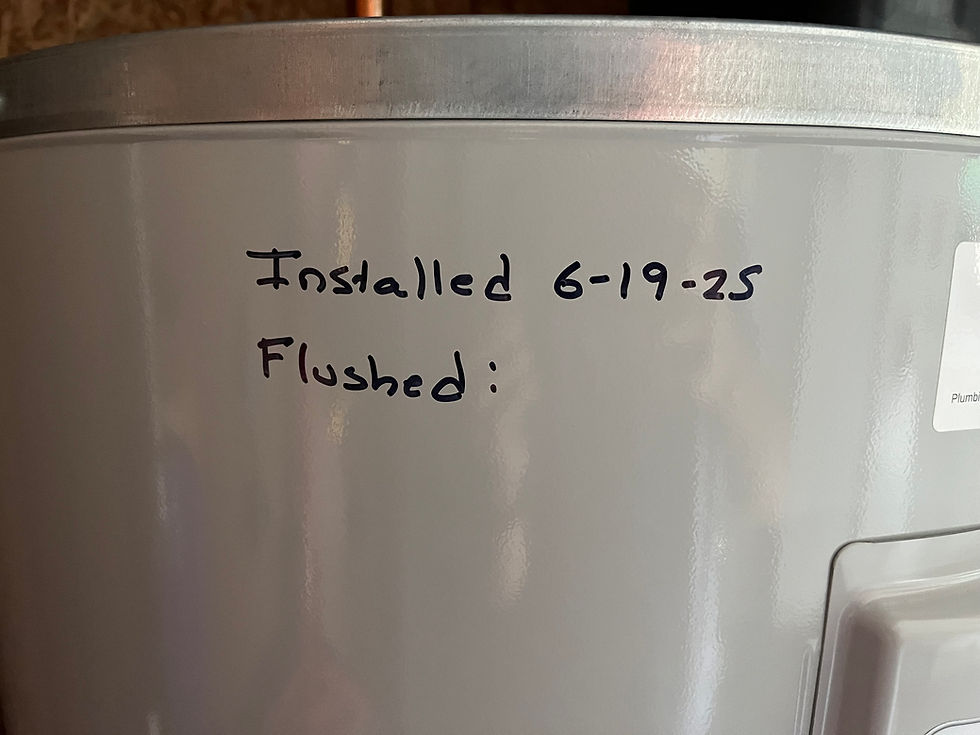
Drain a few gallons from your water heater to remove sediment, improving efficiency.
Set your water heater thermostat to at least 120°F (49°C) to prevent freezing.
Have your heating system serviced to ensure it runs efficiently throughout winter.
Know How to Shut Off Your Water in an Emergency
In case a pipe bursts, quick action can minimize damage.
Locate your main water shut-off valve and make sure it works smoothly.
Teach family members where the valve is and how to turn it off.
Keep contact information for a trusted plumber handy for emergencies.
Consider Professional Winterization Services
If you are unsure about winterizing your plumbing or have a complex system, hiring a professional can provide peace of mind.
Professionals can blow out irrigation lines and properly insulate pipes.
They can inspect your system for hidden vulnerabilities.
A professional winterization can prevent costly repairs and water damage.


Comments