
The Importance of Flushing Your Water Heater Annually and How to Do It Yourself
- Jul 22, 2025
- 3 min read
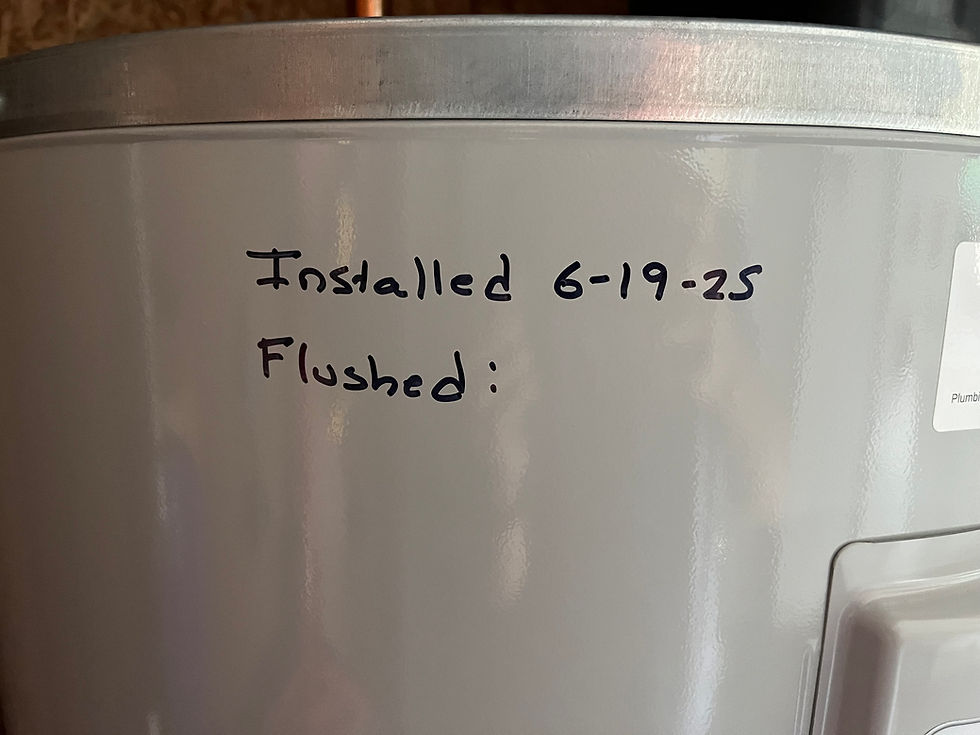
Maintaining your water heater is crucial for ensuring its longevity and efficiency. One of the most important maintenance tasks is flushing the water heater annually. This simple procedure can prevent a host of problems and keep your water heater running smoothly. In this blog, we'll explore why it's important to flush your water heater and provide a step-by-step guide on how to do it yourself.
Why Flushing Your Water Heater is Important
Prevents Sediment Buildup: Over time, minerals and sediment from your water supply can accumulate at the bottom of your water heater tank. This buildup can reduce the efficiency of your water heater, as the sediment acts as an insulator, making it harder for the heating element to warm the water. Flushing the tank removes this sediment, allowing your water heater to operate more efficiently.
Extends the Lifespan of Your Water Heater: Sediment buildup can cause your water heater to work harder than necessary, leading to increased wear and tear on the system. By flushing the tank annually, you can reduce the strain on your water heater and extend its lifespan.
Improves Water Quality: Sediment and mineral deposits can affect the quality of your hot water, leading to cloudy or discolored water. Regular flushing helps maintain clear and clean hot water for your household.
Reduces Energy Costs: A water heater with a significant amount of sediment buildup will require more energy to heat the water. By keeping your water heater clean, you can reduce energy consumption and lower your utility bills.
How to Flush Your Water Heater
Flushing your water heater is a straightforward process that you can do yourself with a few basic tools. Here's a step-by-step guide:
Materials Needed:
Garden hose
Bucket
Adjustable wrench
Step-by-Step Guide:
Turn Off the Water Heater: For electric water heaters, turn off the power at the circuit breaker. For gas water heaters, set the thermostat to the "pilot" setting.
Shut Off the Cold Water Supply: Locate the cold water supply valve at the top of the water heater and turn it off.
Connect the Garden Hose: Attach one end of the garden hose to the drain valve at the bottom of the water heater. Place the other end of the hose in a bucket or direct it to a floor drain.
Open the Drain Valve: Carefully open the drain valve to allow the water to flow out of the tank. Be cautious, as the water may be very hot.
Flush the Tank: Once the tank is empty, briefly turn on the cold water supply to stir up any remaining sediment. Allow the water to flow out through the hose until it runs clear.
Close the Drain Valve: After flushing the tank, close the drain valve and remove the garden hose.
Refill the Tank: Turn the cold water supply back on and allow the tank to fill. Once the tank is full, open a hot water faucet in your home to release any trapped air.
Turn the Water Heater Back On: For electric water heaters, turn the power back on at the circuit breaker. For gas water heaters, set the thermostat back to your desired temperature.
By following these steps, you can keep your water heater in top condition and enjoy the benefits of efficient and reliable hot water. Remember, regular maintenance is key to preventing costly repairs and ensuring the longevity of your water heater. Happy flushing! 😊


Comments